

Experiment
EC1501V

AIR CONDITIONING TRAINER
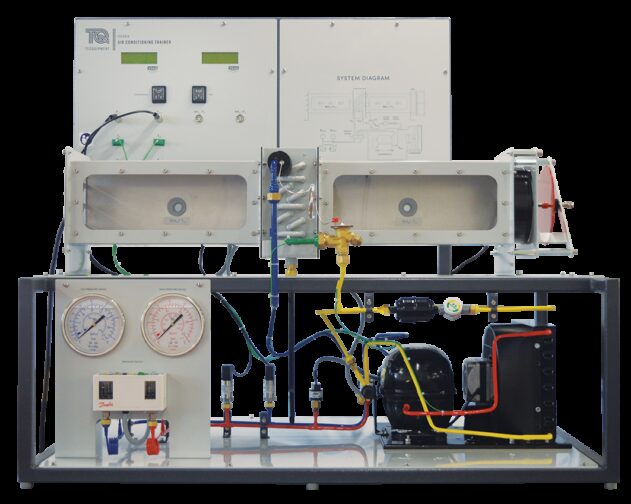
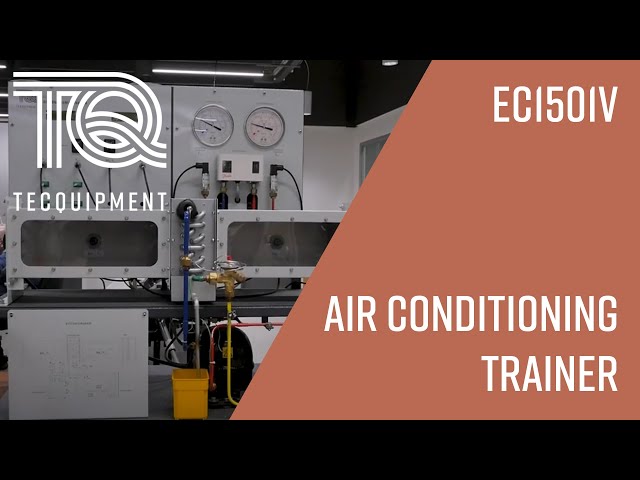
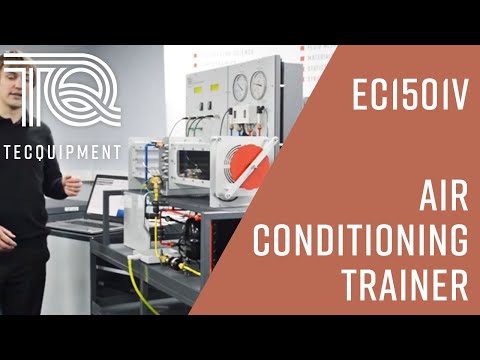
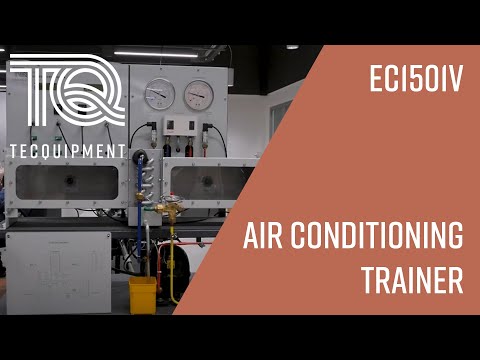
Benchtop apparatus that allows students to investigate the fundamental principles of air conditioning, including enthalpy change in the air flow.




If you have any questions or you'd like to discuss a product, please call us.
+44 1159 722 611AIR CONDITIONING TRAINER
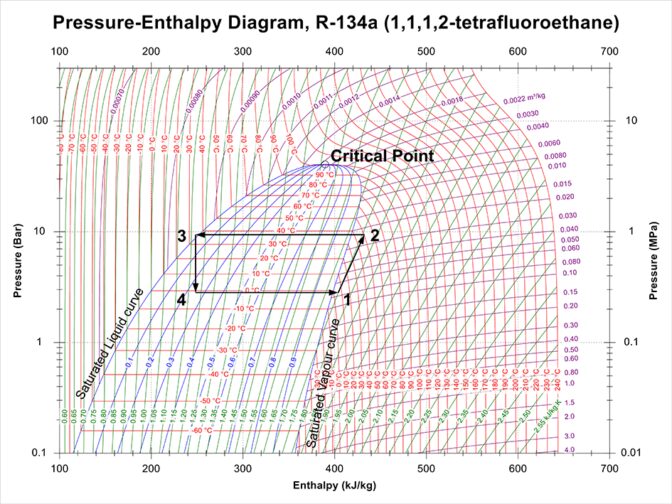
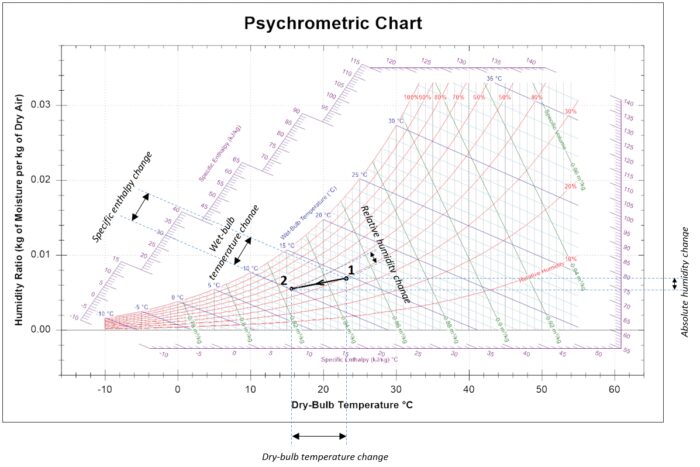
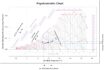
This training unit allows students to investigate air conditioning at a basic level. Students can use P-H charts and psychrometric charts for their calculations and discover the enthalpy change.
The unit features an air-cooled condenser unit connected to an evaporator located in an air duct. The air duct contains relative humidity and temperature sensors on both sides of the evaporator. A small fan provides air flow down the duct and can be manually adjusted.
The refrigeration circuit features high and low pressure gauges, a pressure switch, sight glass, filter dryer and TEV valve. The circuit also includes pressure transducers that connect to the instrumentation.
Four thermocouples placed around the refrigeration circuit allow observation of temperatures, these can be used for the calculation of potential super heating and sub-cooling.
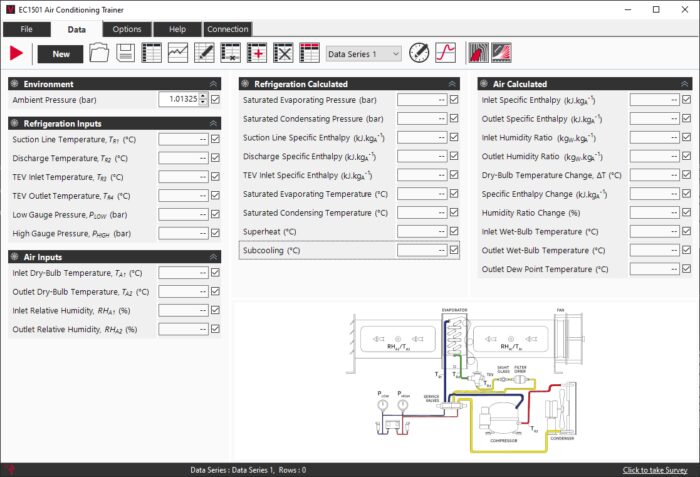
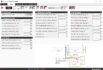
EC1501V features VDAS® Onboard for data acquisition via USB cable (supplied) to a computer (not supplied).
Key Features:
- Pressure and temperature measurements taken around the refrigeration circuit
- Relative humidity and temperature measured upstream and downstream of the evaporator
- LCD display of all measured parameters
- VDAS® connectivity included featuring data acquisition via USB
- VDAS® software allows students to visualise experimental parameters using psychrometric and pressure-enthalpy charts
- Refrigeration circuit colour-coded to international standards
Learning outcomes
- Learn to use Psychrometric charts
- Determine enthalpy change in the air flow
- Learn to use a Pressure-Enthalpy chart
- Determine Coefficient of Performance (COP)
- Determine superheat and sub-cooling
- Isentropic and non-isentropic efficiencies of compression stage
- Effect of air flow on COP
-
 AIR CONDITIONING TRAINER
Environmental Control - Air Conditioning Trainer EC1501
-
 AIR CONDITIONING TRAINER
Air Conditioning Trainer (EC1501V) | Learn Refrigeration & Cooling Principles along with VDAS®
Ancillary
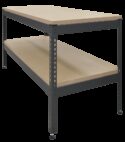
WB1