
General Understanding of DIC and DefleX®
Q: What is Digital Image Correlation (DIC) and why is it important in engineering education?
A: DIC is a non-contact optical technique that measures full-field strain, deformation, and displacement on material surfaces. It helps students visualise how materials behave under load, supports FEA validation, and teaches advanced experimental methods used in industry.
Q: What makes DefleX® different from traditional strain measurement tools like extensometers or strain gauges?
A: DefleX® provides full-field (measurement across the full surface) visualisation of strain and deformation, detects invisible cracks, and enables analysis of complex behaviours that traditional tools may miss. It’s also non-contact (no interaction with specimen needed) and easy to set up unlike extensometers or strain gauges which are point based and requires contact).
Product Features and Capabilities
Q: What types of mechanical tests can be performed using the DefleX® Starter Kit?
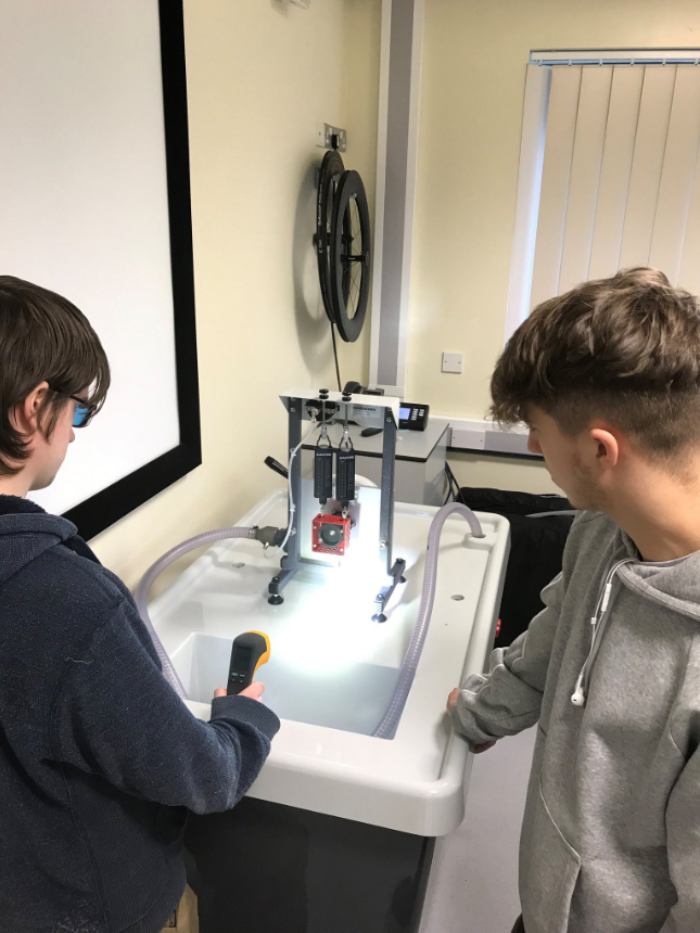
A: The kit supports torsion, tensile, cantilever bending, and thin plate deflection tests. These demonstrate elastic/plastic deformation, strain distribution, and complex behaviours in real time.
Q: What’s the difference between DefleX®-2D and DefleX®-3D?
A: DefleX®-2D is ideal for basic strain and displacement measurements using a single camera, while DefleX®-3D uses two cameras to capture full-field 3D surface deformations and strains.
Q: Can DefleX® be integrated with other TecQuipment products?
A: Yes, DefleX® integrates seamlessly with TecQuipment’s materials testing, structures, and theory of machines ranges, enhancing blended learning and experimental validation.
Educational Value and Setup
Q: Is DefleX® suitable for undergraduate teaching labs?
A: DefleX® is designed for education, with an intuitive interface, real-time visualisation, and an education licence. It’s ideal for both undergraduate and postgraduate labs.
Q: How easy is it to set up and calibrate a DefleX® system?
A: Both DefleX®-2D and DefleX®-3D are simple to calibrate and quick to set up, they also come with detailed user guides. The DefleX® Starter Kit includes all necessary components and guides for smooth integration into lab sessions.
Q: What skills will students gain from using DefleX®?
A: Students will gain a deep understanding of complex material behaviours, explore the advantages of non-contact measurement tools in materials testing and structural analysis, and develop practical skills such as interpreting DIC data, calibrating systems, visualising strain and deformation, and validating theoretical models. These competencies are highly valued in aerospace, automotive, civil, and materials engineering.
Technical and Practical Considerations
Q: Do I need to apply a speckle pattern to the test specimen?
A: Yes, for smooth or shiny surfaces, a speckle pattern is essential for accurate tracking. TecQuipment offers a DefleX® Speckling Kit (SPK1) to simplify and aid this process.
Q: Can I export data from DefleX® for further analysis?
A: Yes, data can be exported to MATLAB, Python, ParaView, or spreadsheet programs for advanced analysis and integration with FEM software like Ansys.
Q: Can I import footage from other camera(s) imaging systems into DefleX®?
A: Yes, any footage can be imported allowing DIC to be performed on everything from high-speed footage to microscope footage.
About this article
This FAQ has been developed with support from our product development engineer John, who has brought together the most common questions raised during training sessions and customer interactions with the product.
Want to learn more about how DefleX® can enhance your teaching labs and research projects? Explore the full DefleX® range: including Starter Kits, speckling equipment and 3D imaging systems and discover how you can bring advanced DIC technology into your classroom.